

Magical girl series have long been a major force in anime and manga. Some of the best, most popular anime series have featured magical girls.
Let’s take a look at this iconic anime and manga subgenre.
What Are Magical Girl Anime?
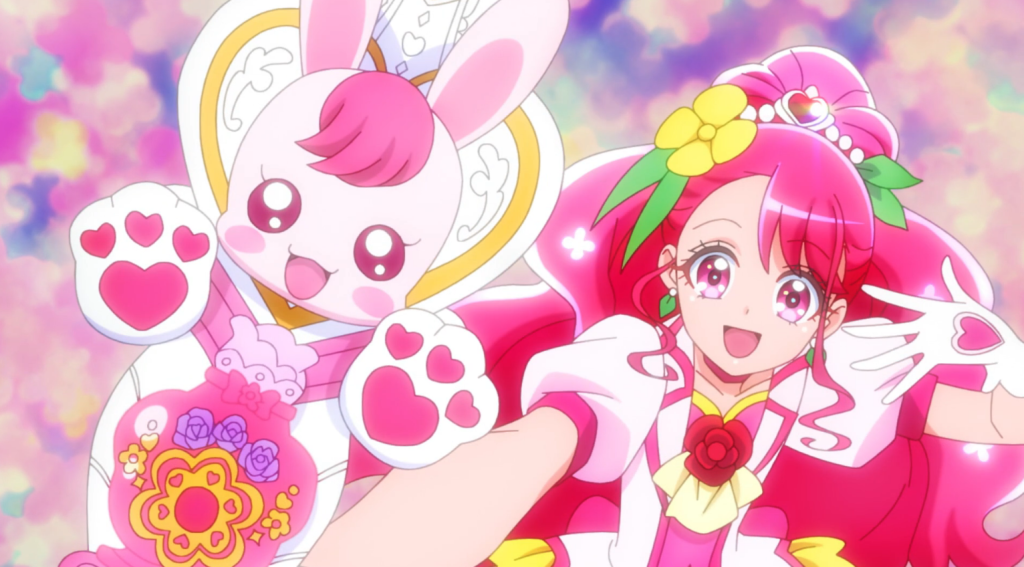
The term magical girl (or maho shojo) currently refers to young, female heroes who use magic, especially to fight for justice and against evil villains.
Himitsu no Akko-chan (1962) is generally considered to be the first magical girl manga — although Akko-chan didn’t fight, but instead concentrated on magical transformations. The first magical girl anime was Sally the Witch in 1966.
(Arguably, Osamu Tezuka’s Princess Knight (1953), who fought villains in disguise, qualifies as well.)
Magical girls are typically known for their cute and colorful costumes, which often require a magical transformation sequence. These outfits may hide a secret civilian identity. Or they may serve as weaponry — a shield, wand, broach, gem, or even a magical flying tiara.
If a magical girl is part of a team, their costumes will probably share a theme, and be color-coded. Magical girls also often have cute sidekicks.
The magical girl heroine also tends to have a good romantic subplot as well.
Many early magical girl manga or anime were shojo fantasy series. However, as the magical girl series evolved, some started to cross over into the shonen category. Seinen magical girls also exist, mostly in the form of deconstructions and parodies.
The Best Magical Girl Series List
Note: Each anime in this list represents a different style of magical girl series. It’s hard to say that one is particularly better than the others. But they are all worth streaming.
Best in Show: Sailor Moon
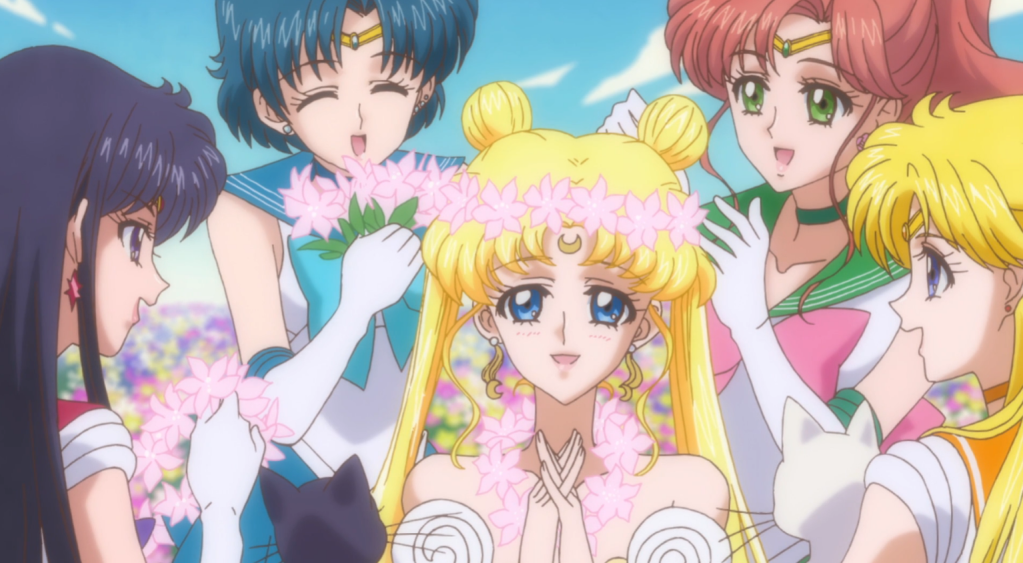
If you ask non-anime fans to name a magical girl, they’ll probably describe Sailor Moon.
Naoko Takeuchi’s 1991 series has everything you could possibly want from a magical girl series. Serena/ Usagi starts out weak, but she learns, matures, and improves over time. As the series progresses, we learn the tragic backstory of the Moon Kingdom, and how Sailor Moon/ Princess Serenity will restore it in the future.
Sailor Moon also has a decent romance story; dark and epic story arcs; excellent (if sometimes hammy) villains; a good sense of humor; and memorable transformations and attacks.
The sailor scouts also have iconic costumes, which are frequently cosplayed at anime conventions. Sailor Moon’s blonde odango or “meatball” pigtail hairstyle is also instantly recognizable.
Young Love: Cardcaptor Sakura
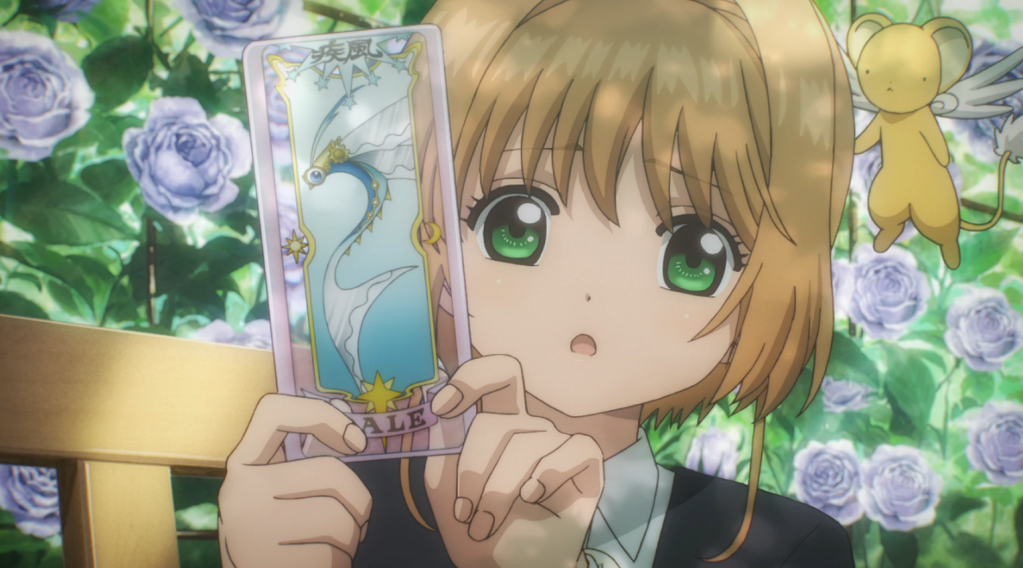
Shojo manga masters CLAMP created Cardcaptor Sakura in 1996. At first glance, it’s a fairly simple story about an elementary school girl who has to recover magic cards by defeating them in battle.
Surprisingly, the series is realistic about Sakura’s costumes, which are provided by her best friend, Tomoyo. Sakura also has a mascot, Kero, who is more than he seems.
Then there’s Li Syaoran, a rival card collector who becomes Sakura’s friend, and eventually admits he has a crush on her. In fact, there are quite a few misaimed crushes in this series.
Meanwhile, Clow Reed, the sorcerer who created the cards, quietly guides much of the plot.
The Franchise: Pretty Cure

Since 2004, there have been 20 generations, and 22 seasons of the magical girl franchise Pretty Cure. You and Idol Pretty Cure started in February 2025.
Each generation features a new team — often led by not one leader, but a pair of opposites.
Typically, these girls are representatives or reincarnations from some fantasy realm, who have been sent to Earth to protect their own world by saving ours. Their enemies tend to be Tokusatsu/ Sentai show-style monsters. Although they are magical girls, flying kicks and other physical moves are not uncommon.
Except for special crossover movies, many PreCure teams seem to exist in their own separate universes. In addition, generations typically have completely different themes — baking sweets, tropical islands, good health, etc.
For anyone outside the target demographic, these shows are a guilty pleasure. The comedy is often good; the plots are predictable but fun; and there’s something cathartic in watching cute girls beat up monsters.
Magical Idol: Creamy Mami

The 1983 anime Creamy Mami, The Magical Angel stands out in a subcategory about young girls who magically turn into older, fashionable women. (Examples include Minky Momo, Fancy Lala, and Magical Emi.) The concept isn’t as prevalent as it once was, but the series still influences newer works.
In Creamy Mami, a 10-year-old tomboy transforms into a teenage idol singer. Instead of villains and battles, the Showa Era series focuses on soap opera romance, idol singer drama, and magical mishaps.
Creamy Mami gets help from her sidekicks, a pair of magical cat aliens. As a rising pop star, she also has a jealous rival, Megumi. Creamy Mami must also balance idol life with her secret schoolgirl identity.
Warrior Woman: Cutie Honey
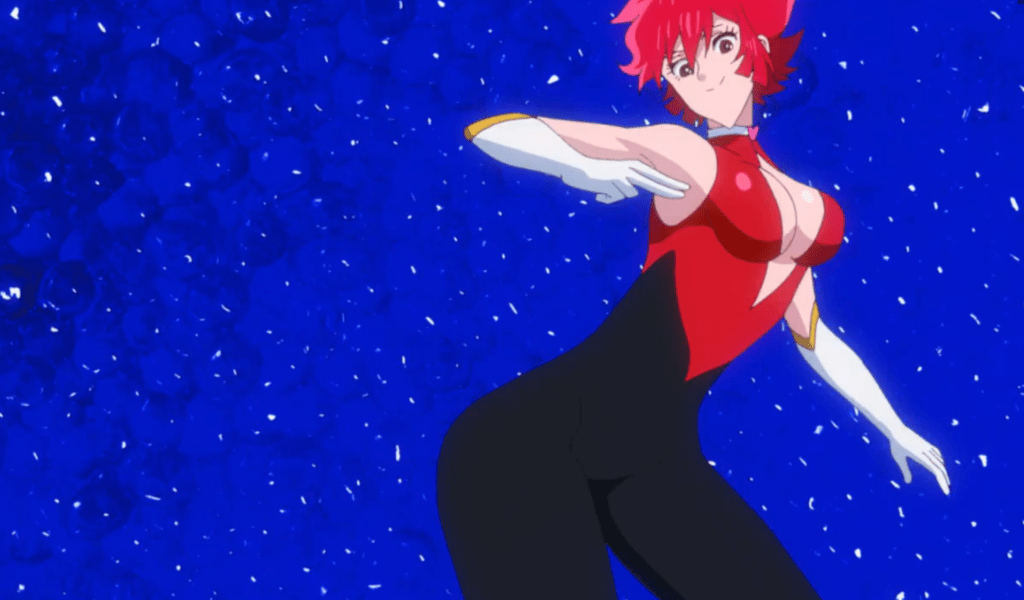
Go Nagai created the original Cutie Honey (a.k.a. Cutey Honey) in 1973.
Nagai is well-known for dark and violent manga such as Devilman. He also created the hot-blooded, giant heroic robot series Mazinger Z.
But Nagai also influenced the magical girl genre with Cutie Honey. The series helped push magical girls toward more fighting.
Cutie Honey features Honey, who lives a double life as an “ordinary” high school girl, and as a sexy android superhero warrior.
The series also features a lot of fanservice — most notably, during the superhero’s transformation sequence. A lot of the villains also tend to be buxom or busty.
A Dark Deconstruction: Puella Magi Madoka Magica

Puella Magi Madoka Magica is a deconstruction of a typical magical girl series.
The girls aren’t teammates, love doesn’t win, the cute mascot isn’t so harmless, and everything becomes darker and bleaker than you might expect.
In fact, almost everything about Madoka is a spoiler. When it came out in 2011, the creators tried to hide those dark details behind Madoka’s cute pink hair. However, like with Doki Doki Literature Club, those disturbing spoilers are no longer big secrets.
Although the series has lost some of its shock value, it is still an excellent and intelligent anime which dares to expose the flaws in magical girl logic. And you ought to watch it twice — both to catch all of the details in its intricate plot, and to reinterpret scenes once you understand the characters’ true motivations.
