
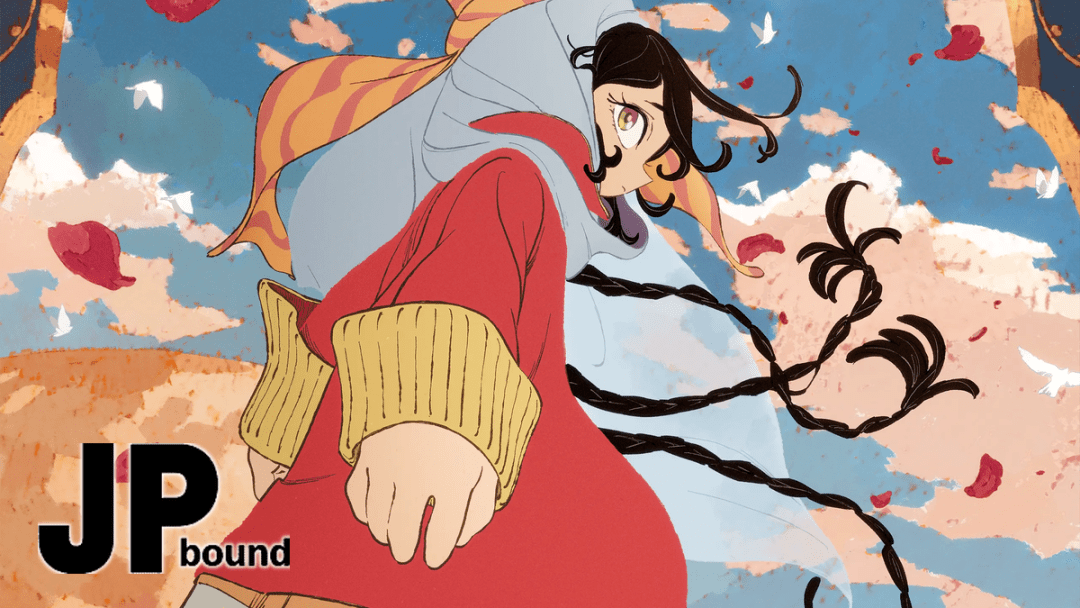
The Japan-Mongolia Folk Museum in Toyooka, Hyogo, is marking its 30th anniversary with a long-running special exhibition built around the TV anime Tenmaku no Jadougal. According to Toyooka City’s announcement, the show will run from August 22, 2026, to August 21, 2027, under the title “Beautiful Women of the Mongol Empire,” with the anime used as a way into the museum’s own collection and its historical focus on women in the Mongol world. It is an unusual pairing, not because anime and museums never meet, but because this one is built around a specific historical theme rather than a simple character showcase.
For viewers who know the series by its international title Jaadugar: A Witch in Mongolia, this is the same work. The Japanese title Tenmaku no Jadougal is the name used throughout the exhibition notice, and the museum is clearly leaning into the series’ interest in court life, survival, and political maneuvering inside the Mongol Empire. That gives the event a stronger shape than a standard franchise tie-in. Instead of asking visitors to leave history at the door, it invites them to look at the anime and the collection side by side.
What the exhibition is presenting
The official notice says the museum will use both the TV anime and its own Mongol holdings to explore women of the Mongol Empire, naming figures such as Sorghaghtani Beki and Töregene. That detail matters because it tells visitors what kind of exhibition this will be. The subject is not the full sweep of Mongol history, and it is not just a broad “world of the anime” event either. The focus is narrower and more deliberate: women whose influence, status, and political presence shaped imperial life.
That framing also fits the emotional and intellectual pull of the anime itself. On the official anime site, the series is introduced through the life of Sitara, a girl drawn into the expanding Mongol Empire and eventually into the orbit of royal power, where knowledge, revenge, and alliance all become part of survival. The museum is not retelling the anime episode by episode. Instead, it appears to be using the work as a doorway into real historical people and the larger world that stories like this are drawing from.
The exhibition title, “Beautiful Women of the Mongol Empire,” could sound decorative at first glance, but the named historical figures suggest something more substantial. Sorghaghtani Beki and Töregene were not marginal court ornaments. They were women associated with power, dynastic succession, and the inner mechanics of empire. Using those names in the announcement signals that visitors can expect a historical lens shaped by authority, influence, and presence, not just costume or image. That is where the museum connection becomes especially interesting. A regional museum with a specialized Mongol collection is using anime recognition to guide people toward women who were central to imperial history, even if they are less widely known than conquerors and khans.
Why the 30th anniversary setting gives it weight
This is not being presented as an isolated seasonal event. The exhibition is part of the Japan-Mongolia Folk Museum’s 30th anniversary programming, which gives the project a different tone from a quick promotional collaboration. Anniversary exhibitions usually say something about how an institution wants to be seen. In this case, the choice suggests a museum that wants to keep its scholarly identity intact while widening the path that leads people inside.
The length of the run reinforces that. Toyooka City says the exhibition will stay up for almost a full year, from late August 2026 to late August 2027. A schedule that long changes the rhythm of the event. It means the exhibition is not being treated like a brief novelty for opening-week curiosity. Visitors can plan around it across different travel seasons, and local families, anime fans, and museum-goers do not all need to arrive at once for the event to matter. The museum is giving this concept room to breathe.
There is also something fitting about linking a 30th anniversary to a theme like this. Museums often carry collections that are rich but quiet, waiting for the right invitation to draw new attention. Tenmaku no Jadougal offers exactly that kind of invitation because it already approaches the Mongol Empire through intimate lives, women’s relationships, and political tension inside the court. The exhibition announcement turns that shared interest into a public program. Rather than flattening history into background flavor for the anime, it lets the museum’s collection answer back with real people, real context, and a longer historical memory.
What visitors should know before making the trip
The practical details already published by Toyooka City’s museum page are straightforward and useful. The museum is scheduled to open from 9:30 a.m. to 5:00 p.m. Regular closure days are Wednesdays, except when a Wednesday falls on a holiday. The city page also says standard paid admission applies. Even without a full list of exhibition-specific extras in the published notice, those basics tell visitors that this is a normal museum visit in structure, not a special reservation-only pop-up with a separate temporary rulebook.
That practical clarity pairs well with the exhibition’s long run. A year-long event at a museum works best when the visit feels easy to understand: fixed hours, known closure days, and standard admission. It lowers the barrier for people who may be curious about the anime connection but have never visited the Japan-Mongolia Folk Museum before. It also makes the event easier to fold into a broader trip through northern Hyogo rather than treating it like a one-shot, hard-to-catch fan happening.
What stands out most in the announcement is the balance it tries to keep. The anime connection is visible enough to catch the eye, especially for anyone who knows Tenmaku no Jadougal or Jaadugar: A Witch in Mongolia. At the same time, the museum has anchored the event in named historical women, in its own collection, and in the familiar structure of a paid museum exhibition. That gives the project more depth than a decorative crossover. It offers one path into the anime’s historical world and another path back out into the people and power structures that shaped it.
FAQ
When does the Tenmaku no Jadougal exhibition run?
The exhibition is scheduled to run from August 22, 2026, through August 21, 2027.
Where is the exhibition being held?
It will be held at the Japan-Mongolia Folk Museum in Toyooka, Hyogo Prefecture.
What is the exhibition about?
The museum says it will use the TV anime and the museum’s own Mongol collection to focus on women of the Mongol Empire, including figures such as Sorghaghtani Beki and Töregene.
What visiting details are already public?
Toyooka City lists opening hours of 9:30 a.m. to 5:00 p.m., Wednesday closures unless the day is a holiday, and standard paid admission.
